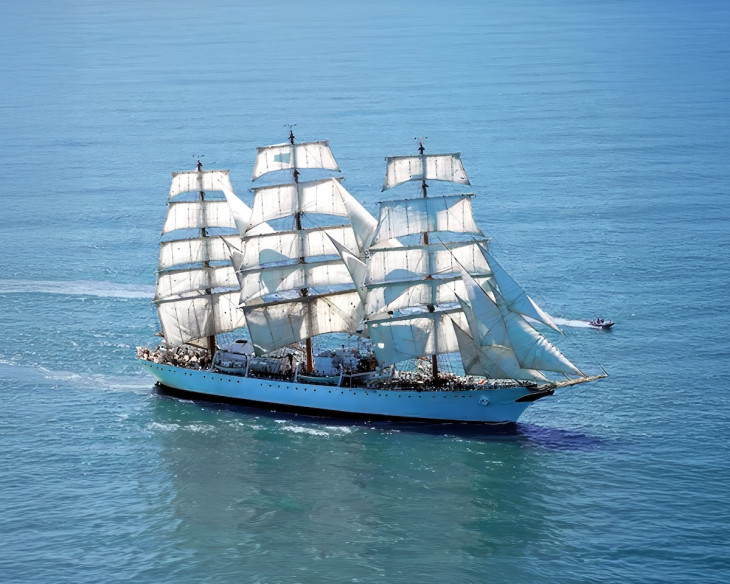
ARA LIBERTAD, a 340-foot, three-masted, a steel-hulled full-rigged ship, is homeported in Buenos Aires. She has 28,545 square feet of sail, and has a crew of 24 officers, 187 crewmen, as well as 150 cadets. She was built in 1963 by the Rio Santiago Shipyard in Ensenada, Argentina. One of the largest and fastest tall ships in the world, holder of several speed records, Libertad serves as a school vessel in the Argentine Navy. Since her maiden voyage, she has covered more than 800,000 nautical miles, visited about 500 ports in more than 60 countries, and trained more than 11,000 navy graduates.
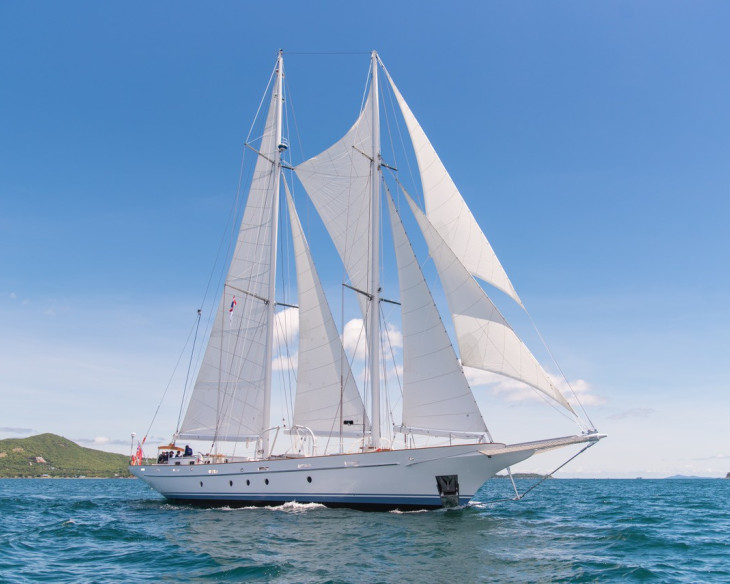
STV VELA is a 112-foot, gaff-rigged schooner operated by Sea|mester and homeported in the Virgin Gorda, British Virgin Islands. She carries over 4,000 square feet of sail and typically sails with a crew of about 30: seven professional crew alongside university students participating in Sea|mester’s university-level academic and seamanship programs. Built in 2020, she serves as a floating classroom and expedition platform where students learn oceanography, marine biology, leadership, and traditional seamanship through hands-on experience at sea.
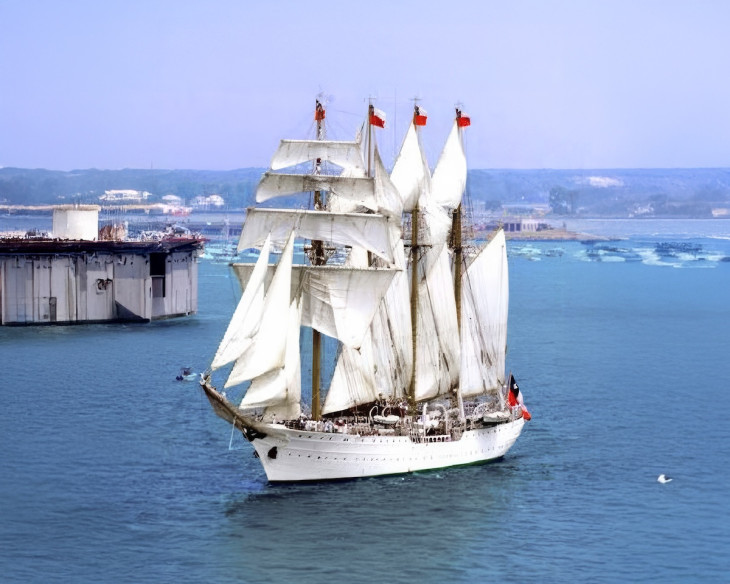
ESMERALDA, a 371-foot steel-hulled four-masted barquentine tall ship of the Chilean Navy is homeported in Valparaiso, Chile. She has a sail area of 30,892 square feet, and a crew of 300 sailors and 90 midshipmen. Built in Cadiz, Spain, in 1946, her sister ship is Juan Sebastian de Elcano of Spain. She has visited more than 300 ports worldwide, acting as a floating embassy for Chile. She participated in several Operation Sail events in New York.
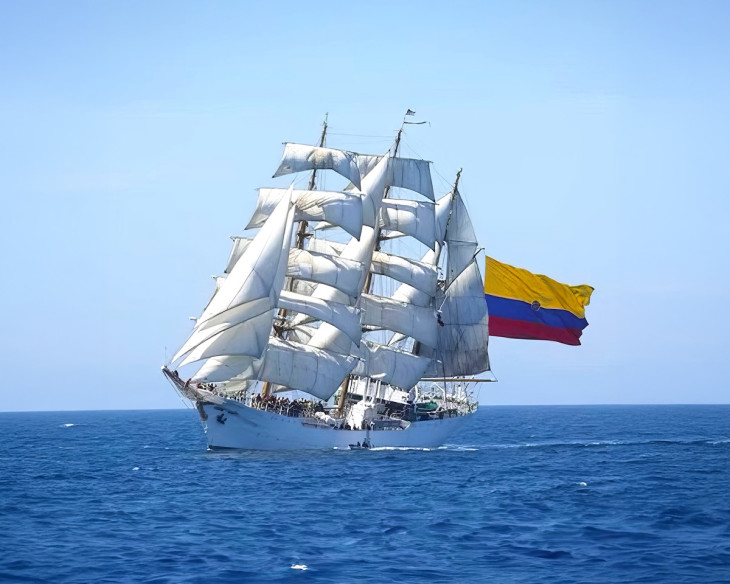
GLORIA, a 212-foot, three-masted barque, is homeported in Cartagena, Colombia. She carries 15,000 square feet of sail and has a crew typically numbering around 165: a permanent crew of about 85 and approximately 80 naval cadets. As a training ship, she is the official flagship of the Colombian Navy. Built in 1968, she is named for wife of Defense Minister General Gabriel Rebéiz Pizarro who pushed for construction of the ship for the Navy. Gloria’s half-sisters are the Mexican Cuauhtemoc, the Venezuelan Simon Bolivar and the Ecuadoran Guayas.
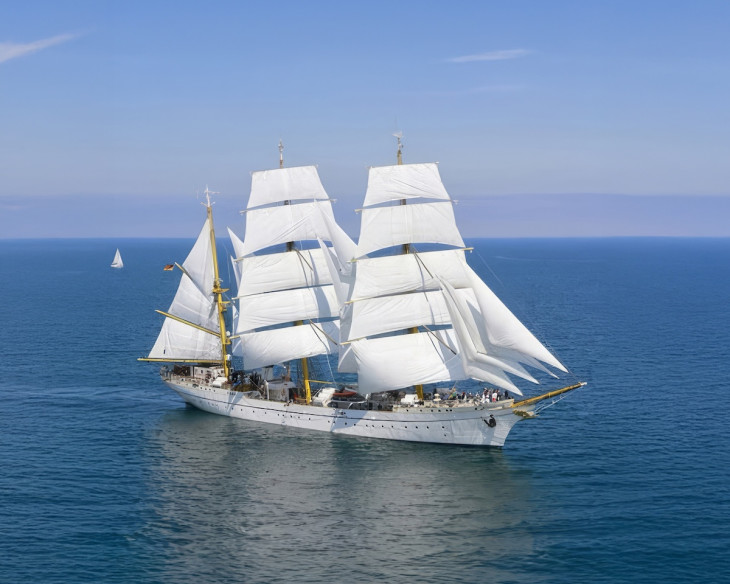
GORCH FOCK is a 266-foot-long, three-masted barque tall ship of the German Navy homeported in Kiel, Germany. She has 21,010 sq feet of sails, a permanent crew of 80-100, and space for 140-200 cadets. Under certain circumstances, she can hold up to 360 passengers. She was built in 1958 as a replacement for the original Gorch Fock built in 1933 which was taken as war reparations by the Soviet Union after World War II, renamed Tovarishch, and returned to Germany. Gorch Fock has trained 14,500 cadets. She completed a circumnavigated in 1987-88.
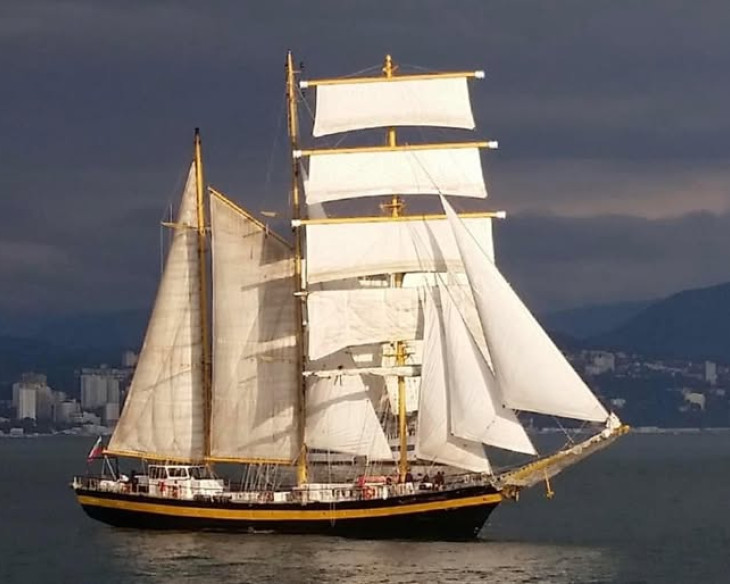
JUAN BAUTISTA CAMBIASO, a 177-foot, steel-hulled, three-masted barquentine, is homeported in Santo Domingo. Launched in 2009 in Bulgaria and acquired by the Dominican Republic in 2018, she serves as the naval training ship for its cadets. She has a sail area of 11,000 square feet, a permanent crew of 12 and can accommodate up to 37 cadets. She is named for the founder of the Dominican Republic navy.
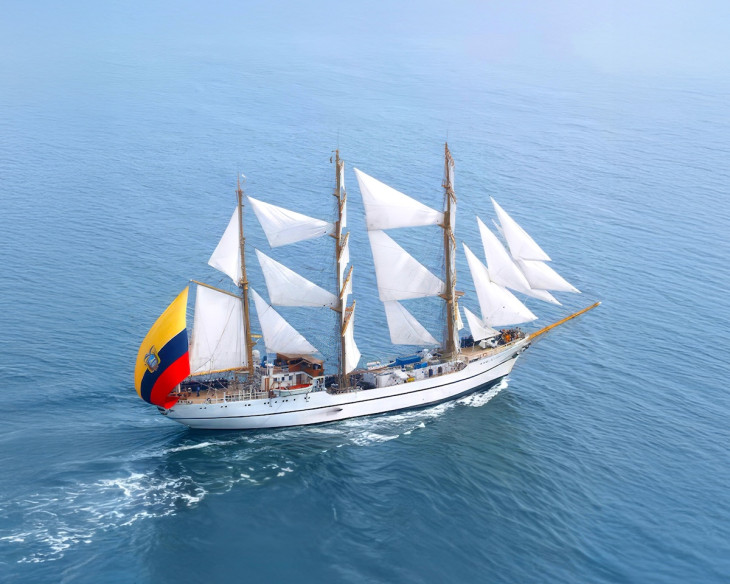
GUAYAS is a 257-foot long, steel-hulled, three-masted barque of the Ecuadorian Navy homeported in Guayaquil, Ecuador. She displays 15,200 square feet of sail and has a crew of 35 officers and 120 enlisted sailors and trainees. Launched in 1978, named in jointly in honor of Chief Guayas, the Guayas River, and the first steamship that was constructed in South America. She participated in many OpSail events in New York.
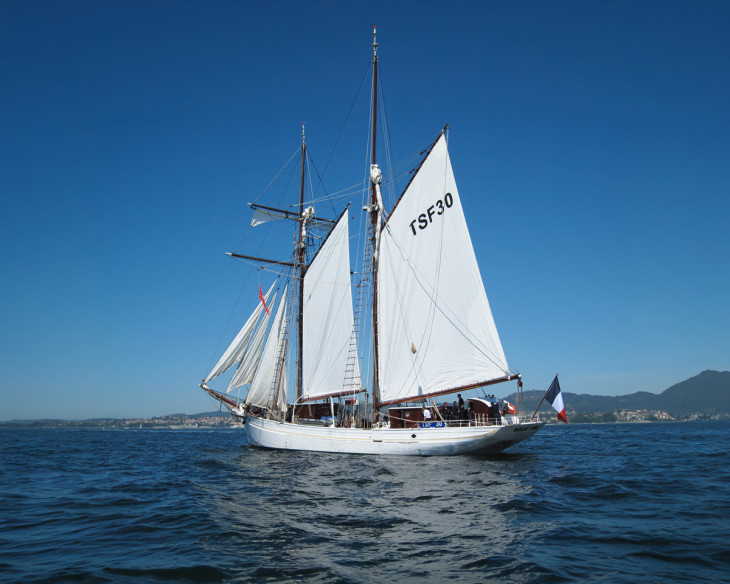
BELLE POULE, a 123-foot, two-masted, schooner, is homeported in Brest, France. She has a sail area of 4,800 square feet, and embarks a crew of three officers, five petty officers, and 12 seamen. She was built in France in 1932 as a replica of a cod-fishing schooner. Belle Poule has participated in several OpSail appearances in previous commemorations.
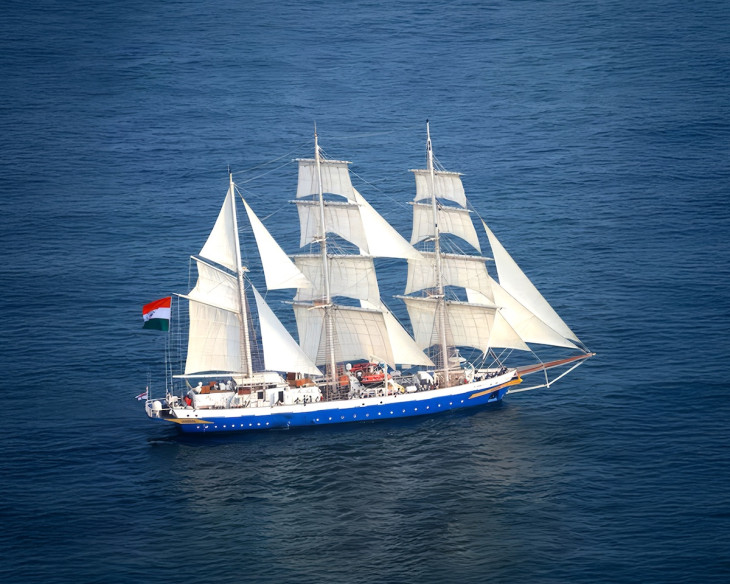
INS SUDARSHINI, a 177-foot three-masted barque, homeported in Kochi, Kerala, India. She carries 11,140 square feet of sail area in her 20 sails, and has a complement of five officers, 40 sailors and 30 trainee cadets. Designed by Colin Mudie, a U.K.-based naval architect, she was built by Goa Shipyard Ltd. on the west coast of India and commissioned in 2012. A sister ship to INS Tarangini, her name means “beautiful lady Sundari”, after the half-sister of Buddha.
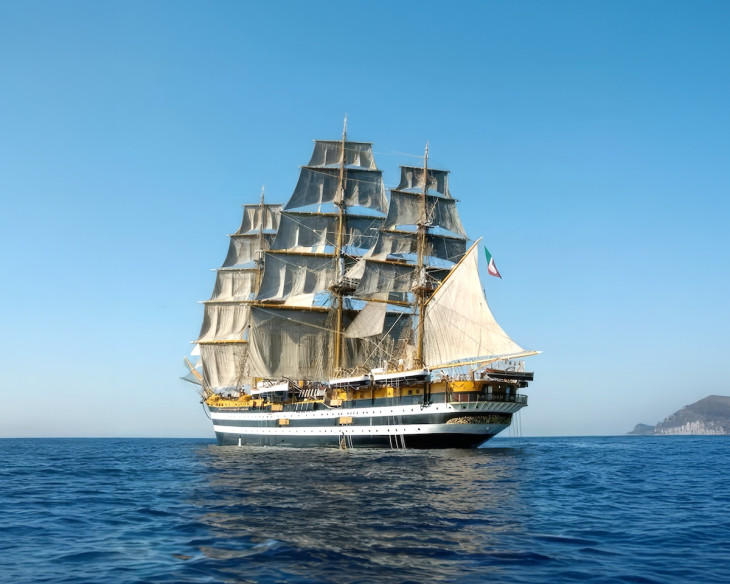
AMERIGO VESPUCCI is a 329-foot, full-rigged three-masted sail training vessel of the Italian Navy homeported in La Spezia, Italy. She carries 30,400 square feet of sail and has a standard complement of 16 officers, 70 NCOs, and 190 sailors (and 130 Naval Academy cadets in summer). Launched in 1931, she has been continuously active except during World War II. She made circumnavigations in 2002 and 2023 Named after the eponymous explorer, Amerigo Vespucci often takes part in sailing parades and tall ship races, where she is in amicable rivalry with Gorch Fock. While sailing the Mediterranean in 1962, the aircraft carrier USS Independence flashed the Amerigo Vespucci with the light signal asking: "Who are you?" The response: "Training ship Amerigo Vespucci, Italian Navy." The Independence replied: "You are the most beautiful ship in the world." In 2022, the Amerigo Vespucci sailed by the American aircraft carrier USS George H. W. Bush, which saluted the ship and commented: "You are still, after 60 years, the most beautiful ship in the world."
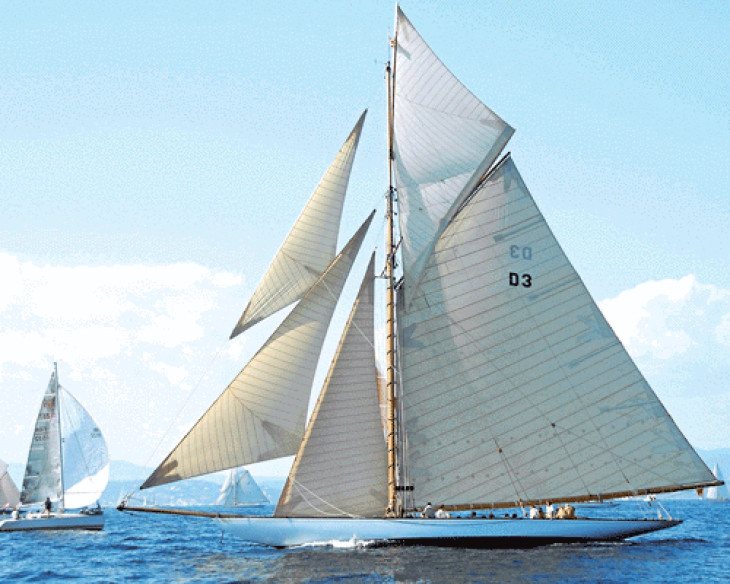
TUIGA, a three-masted, 93-foot, (25-meter) wooden-hull racing schooner, is homeported in Monaco, where she is the flagship of the Yacht Club of Monaco. She has 4,433 square feet of sail and employs a crew of four for cruising, with accommodations for four guests. For racing she requires a crew of 16 experienced sailors. She was built in the United Kingdom in 1909 by the renowned Scottish shipbuilder William Fife III, changing names and ownership several times before being restored and acquired by Prince Albert of Monaco in 1995. Tuiga is known for her elegant design, powerful racing performance in Mediterranean regattas, and role in training young sailors.
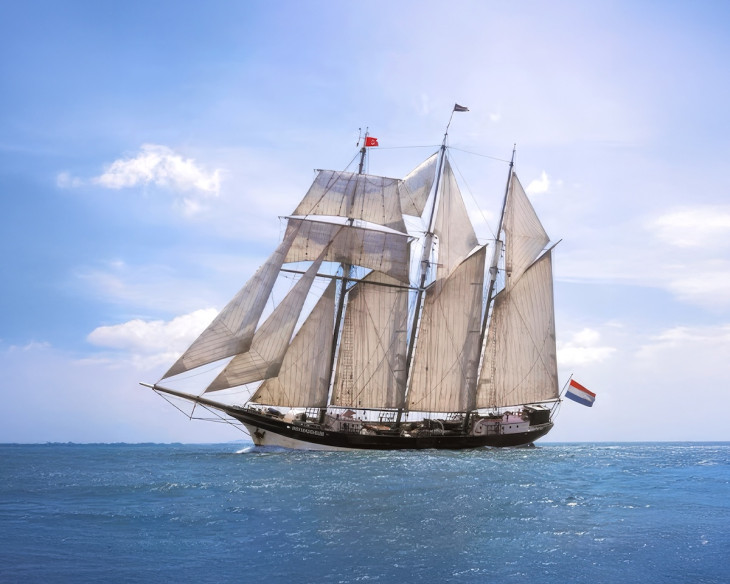
OOSTERSCHELDE, a 164-foot three-masted topsail schooner homeported in Rotterdam, is the largest restored Dutch sailing ship. Once a cargo vessel, she now sails worldwide on training voyages. She has a sail area of 9,590 square feet, carries a crew of eight and can embark 24 overnight passengers. She completedcircumnavigations in 1996-98 and 2012-2014 and 2024-2025. Built in 1918, she is owned by Rotterdam Sailing Ship Foundation, a non-profit organization.
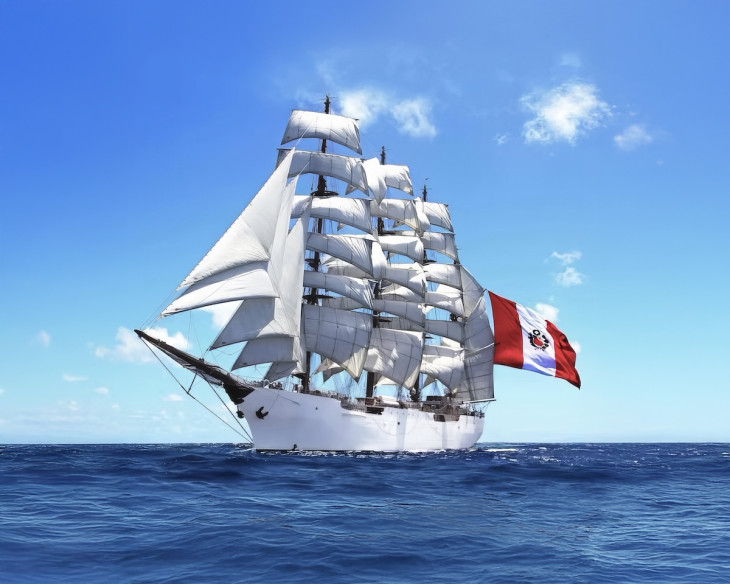
BAP UNION is a 378-foot, four-masted, steel-hulled sail training ship homeported in Callao, Peru. The largest sail training vessel in Latin America, she has 36,620 square feet of sail and embarks a crew of 250 officers and naval cadets. She was built in Peru and commissioned in 2016. As the goodwill ambassador of the Peruvian Navy, she promotes Peru in its voyages around the world. Her figurehead, made of bronze, features several symbols of the Inca culture.
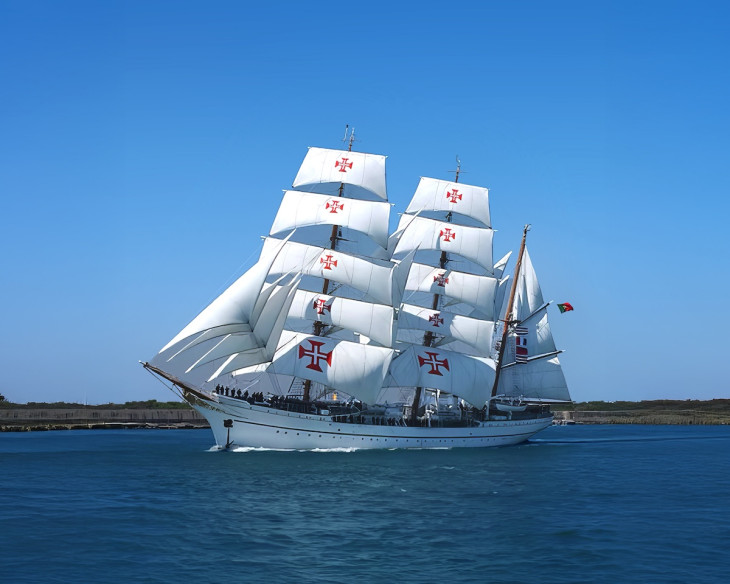
NRP SAGRES, a 292-foot, three-masted barque, makes her homeport in Lisbon. She has a sail area of 22,000 square feet and a crew of 128 with 63 naval cadets. Built in 1937 in Germany as a sister ship to Gorch Fock and Eagle, she was sold to Brazil, and then acquired by Portugal in 1961 where she was renamed Sagres and became the primary naval training ship and ambassador of the Portuguese Navy. Her distinctive square sails feature Christ’s cross, on the fore and main masts and gaff rigging on the mizzen mast. She has made three circumnavigations.
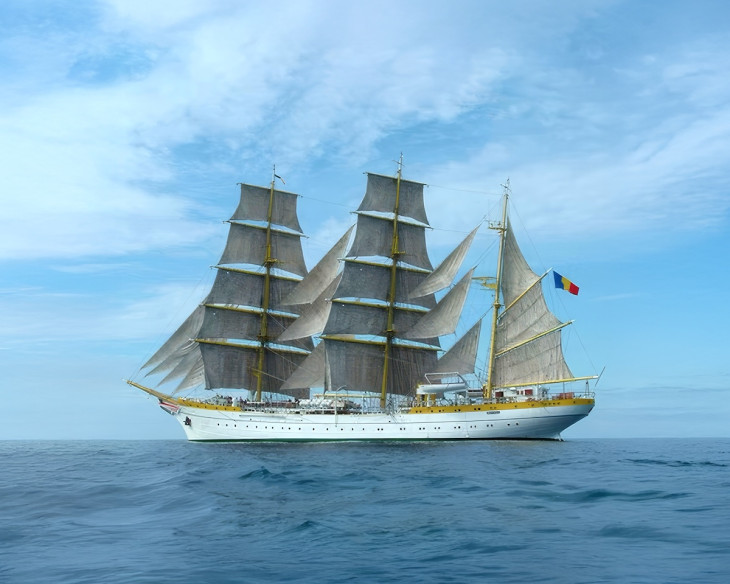
MIRCEA, a 269-foot, three-masted barque, is homeported in Constanta, Romania, on the Black Sea. With 23 sails and sail area of 18,837 square feet, she has a complement of 80-89 personnel and 120-140 cadets. She was built in 1938 in Hamburg, Germany, for the Romanian Navy. As a sister ship of Eagle, Gorch Fock, and Sagres. she is a familiar sight at tall ship events worldwide, and has participated in several OpSail events in New York.
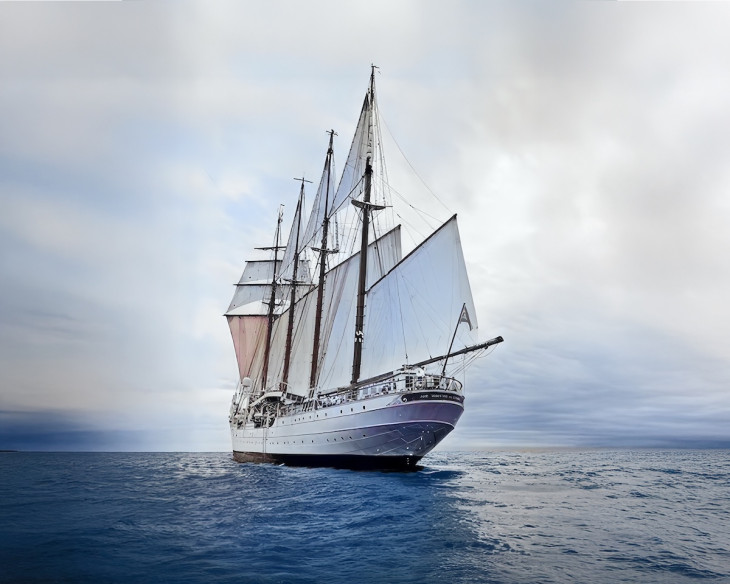
JUAN SEBASTIAN de ELCANO, the 371-foot, four-masted topsail, steel-hulled barquentine, calls Cadiz, Spain, her homeport. With a sail area of 30,900 square feet and a complement of 300 sailors and 90 midshipmen, she is the third-largest tall ship in the world. Built in Cadiz, Spain, in 1928, she has traveled 2.3 million miles in her lifetime as a training ship of the Spanish Navy. She is a sister ship of Esmeralda, of Chile.
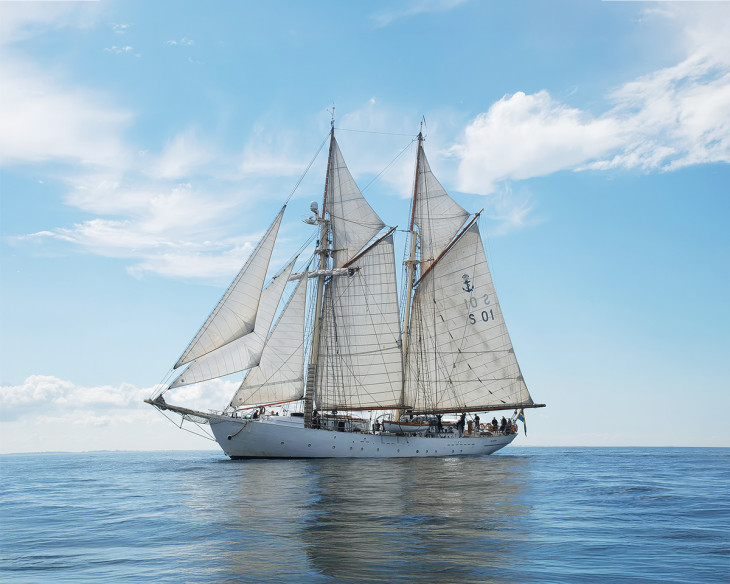
HMS GLADAN is 129-foot-long, two-masted topsail schooner homeported in Karlskrona, Sweden. She has a sail area of 7,340 square feet and a complement of nine officers, 19 midshipmen, and crew. Built in 1947, she serves as a training vessel for the Swedish Navy.
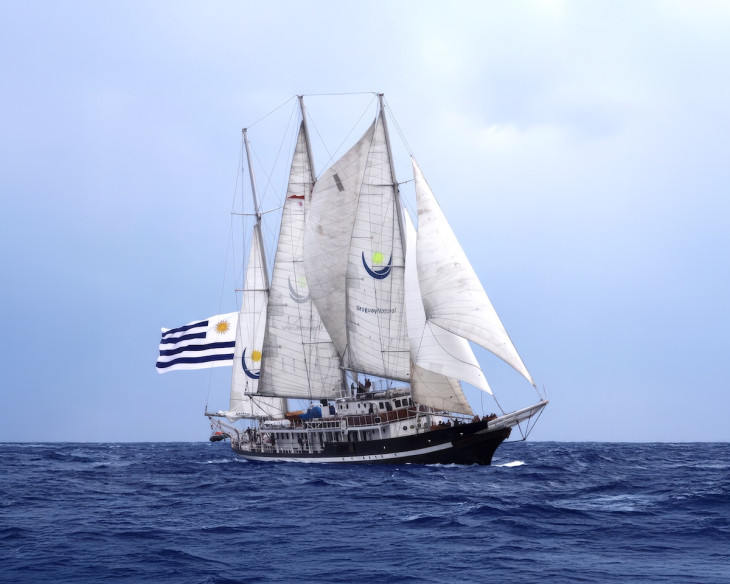
CAPITAN MIRANDA is a 210-foot, three-masted staysail schooner homeported in Montevideo, Uruguay. She carries 9,185 square feet of sail and a complement of 67 crew and eight passengers. Built in 1930 at Cadiz, Spain, and launched as a hydrographic vessel, she was repurposed and converted to a training ship in 1978.
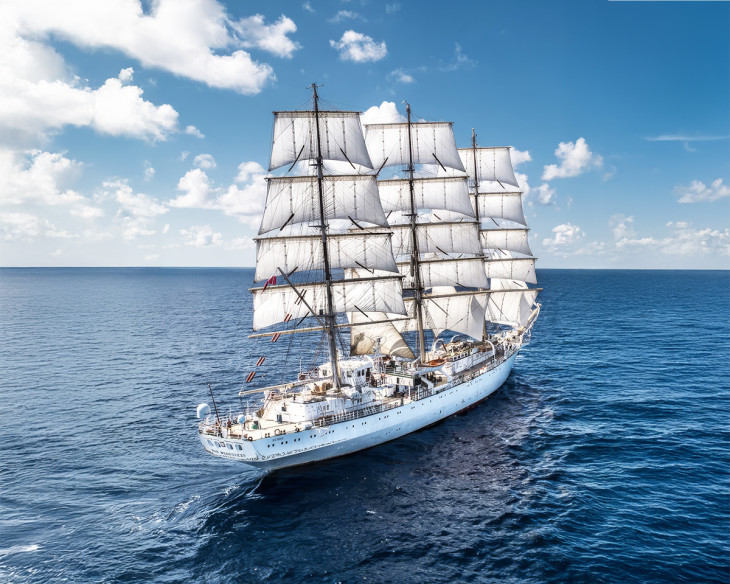
DAR MLODZIEZY is a 354-foot, three-masted full-rigged ship homeported at the Gdynia Maritime University. She has a sail area of 32,000 square feet and normally carries a crew of 40 as well as and 136 cadets. Built in 1982, she serves as a training ship for Polish sailors. She circumnavigated in 1987-88, and again in 2018-2019 to commemorate Poland’s 100th anniversary of independence.
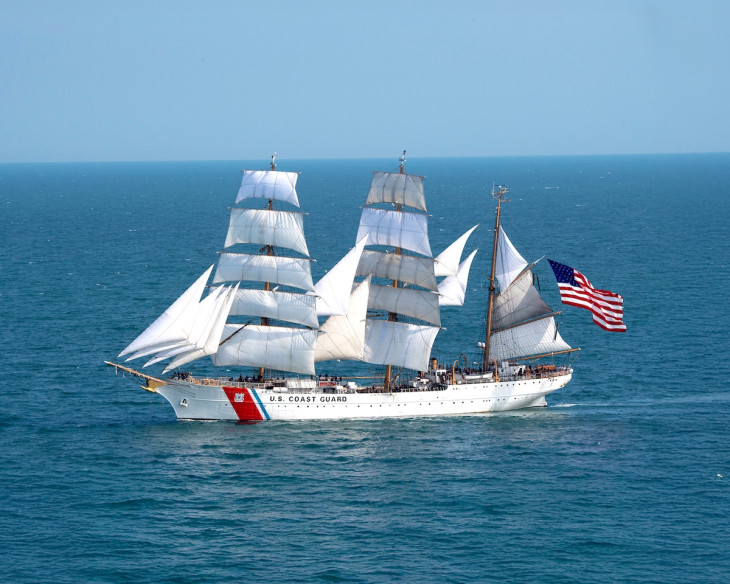
“America’s Tall Ship,” the U.S. Coast Guard Cutter EAGLE, is a 295-foot three-masted barque that has trained Coast Guard cadets since 1946. She is homeported in New London, Connecticut. She carries 22,000 square feet of sail and has a core crew of eight officers and 50 enlisted members, plus up to 150 Coast Guard cadets during training cruises. Built in Germany in 1936 as the Horst Wessel, she was acquired by the United States in 1946, renamed Eagle, and remains the only active square-rigger in U.S. government service. She is a sister ship of Gorch Fock of Germany, Sagres of Portugal and Mircea of Romania. Eagle always leads the Parade of Sail in U.S. port visits.
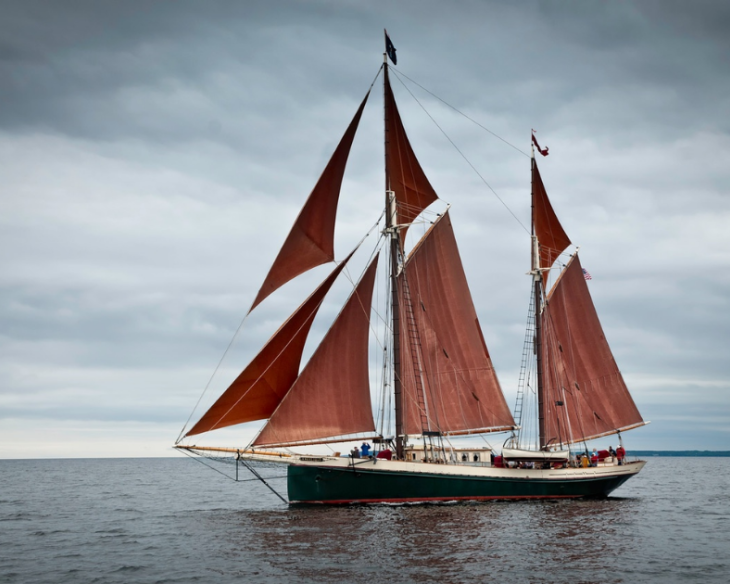
ANGELIQUE is a privately owned 130-foot gaff topsail ketch, homeported in Camden, Maine. Built in Palatka, Florida, in 1980 of steel and wood construction, she has a sail area of 5,260 square feet. She is managed by a crew of seven, with a passenger capacity of 27 customers. In the style of the English fishing trawlers that fished the North Sea, her sails are red. It was common in England to treat sails to make the cotton canvas more resistant to mildew with tallow, tannic acid, and red ocher.
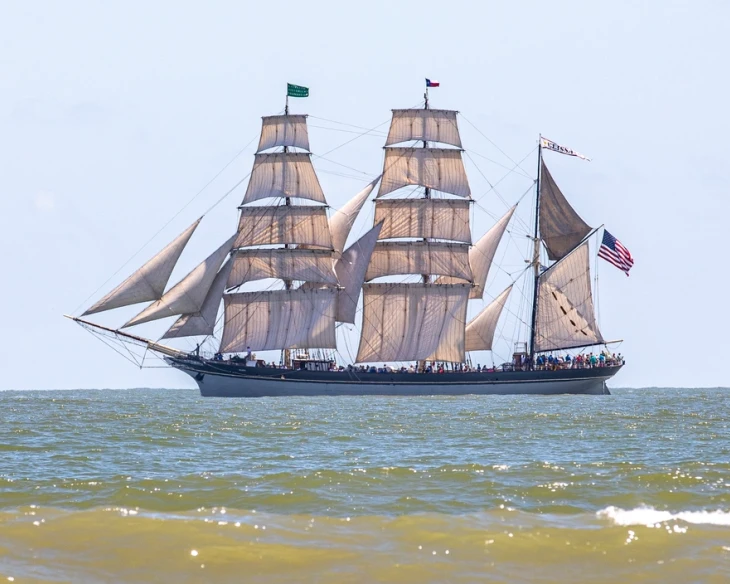
ELISSA, a 141-foot three-masted iron-hulled barque, is homeported in the Galveston Historic Seaport, where she serves as the official tall ship of the State of Texas, and conducts public tours and frequent local day sails. She has 10,890 square feet of sail and a usual crew of 42. She was built in Aberdeen, Scotland in 1877 as a merchant ship. Over the years, she has sailed under the flags of Norway, Sweden, Finland, and Greece. She was acquired by the Galveston Historic Foundation in 1975, extensively restored as a sailing ship, participated in the 1986 Statue of Liberty centennial in New York, and was designated a National Historic Landmark in 1990. Extensively refurbished in 2014, she remains one of the world’s oldest sailing hulls still in operation.
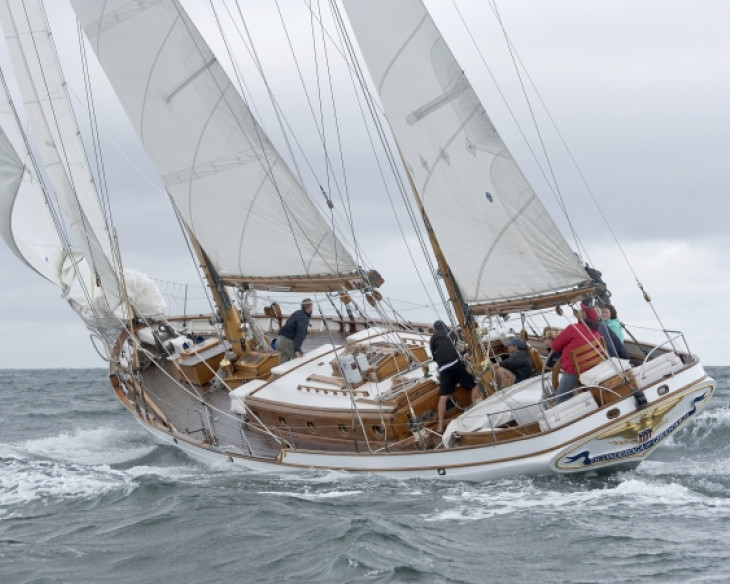
The 72-foot classic yacht TICONDEROGA (better known as TICONDEROGA OF GREENWICH) is a renowned, historic ketch launched in 1936, designed by L. Francis Herreshoff. As a ketch, TICONDEROGA features two masts: a taller main mast towards the bow and a shorter mizzen mast towards the stern. This sail configuration allows for versatility and improved handling in different wind conditions. TICONDEROGA has gained recognition for her elegance, speed, and excellent sailing capabilities. She is owned by Scott and Icy Frantz of Greenwich, Connecticut.
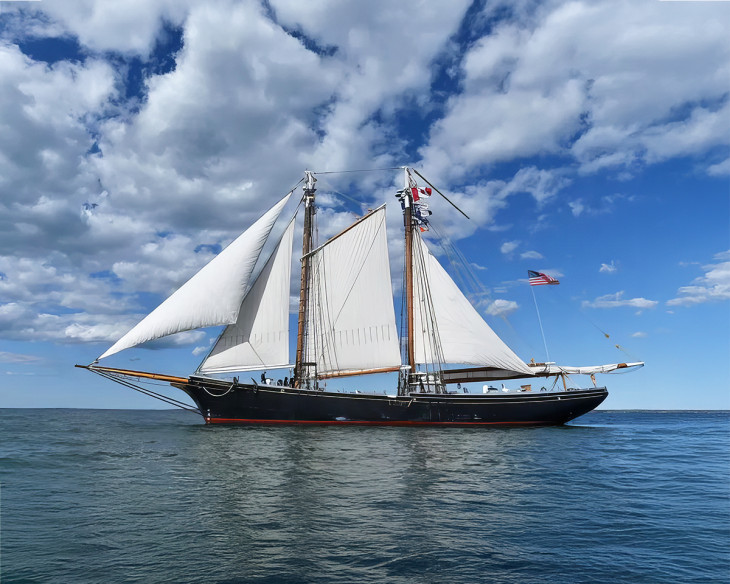
ERNESTINA-MORISSEY is a 156-foot, two-masted schooner homeported in New Bedford, Massachusetts. She has a sail area of 8,323 feet and a complement of 32 sailors. Originally used for fishing and cargo, she now serves as training ship for the Massachusetts Maritime Academy and as the state ship of the Commonwealth of Massachusetts. Built in 1894, has a rich service history and will be the oldest ship in Sail4th.
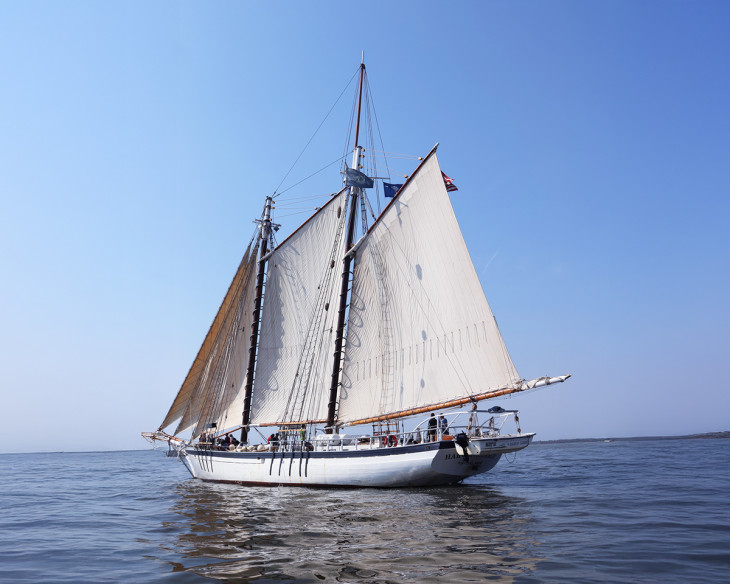
HARVEY GAMAGE is a 131-foot, gaff rigged schooner homeported in Portland, Maine. She has a sail area of 4,200 feet and a crew of 35: nine permanent, with 22 youth trainees and four adult chaperones. Built in 1973, she serves as a floating classroom and platform for experiential learning and hands-on seamanship.
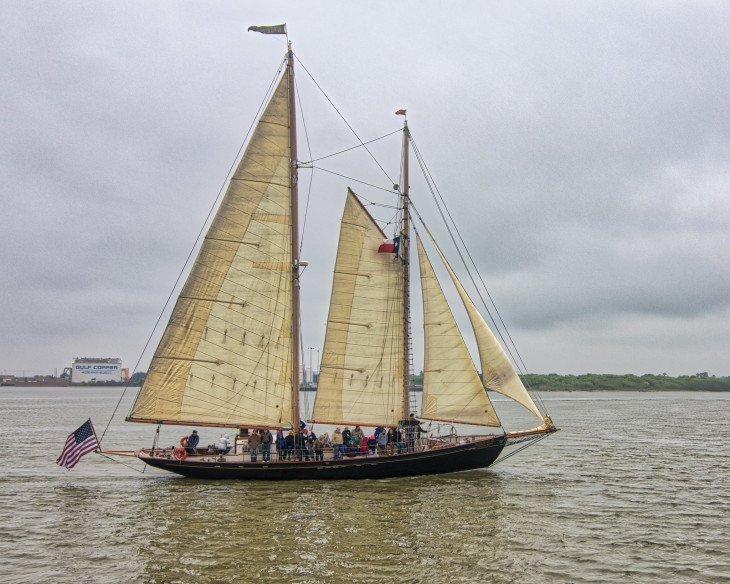
WHEN AND IF, a 63.5-foot schooner, was originally commissioned by General George Patton in 1939 and fully restored in 1994 and again in 2011. She was named When And If because Patton’s dream was to sail around the world “when the war is over, and if I live through it.” Unfortunately, he was never able to fulfil that vision. This historic schooner now sails out of Key West, FL, in the winter and Salem, MA, in the summer.
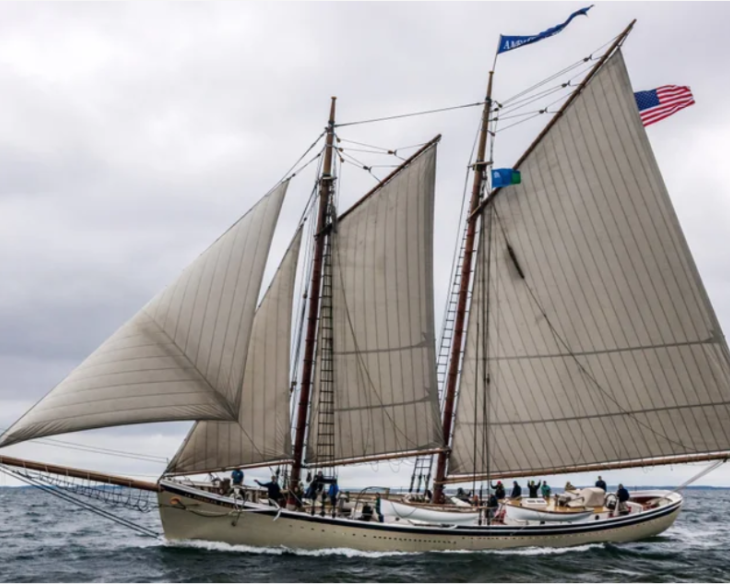
AMERICAN EAGLE is a privately owned and operated 123-foot Gloucester fishing schooner, homeported in Rockland, Maine. Built in Gloucester, Massachusetts, in 1930, she has 4,250 square feet of sail area. She is managed by a crew of six, with a passenger capacity of 26 guests. American Eagle participated in the 1986 Statue of Liberty Centennial in New York, the summer after her full rebuild from 53 years of commercial fishing.
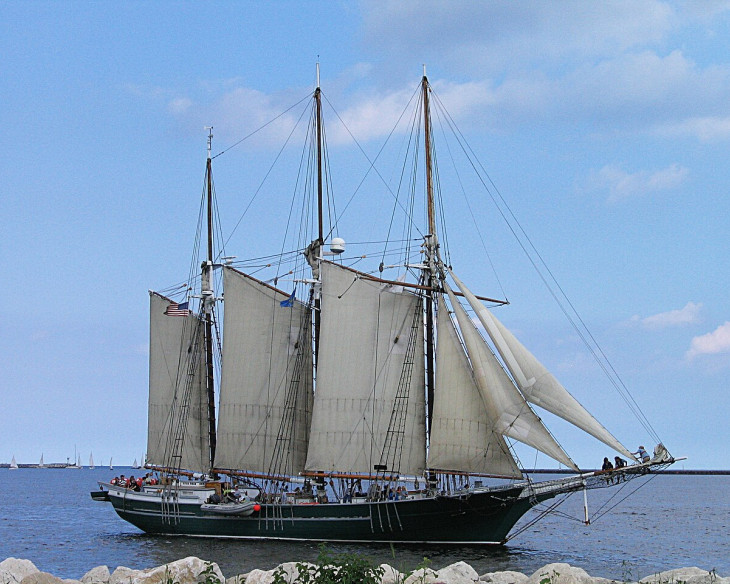
DENIS SULLIVAN is a 137-foot, three-masted schooner homeported in Milwaukee, Wisconsin. Built in 2000 as a replica of a 19th-century Great Lakes schooner, she carries approximately 4,600 square feet of sail. Designed as a hands-on educational platform, she serves students of all ages through immersive programs in seamanship, marine science, and maritime history. Operated by World Ocean School, Denis Sullivan continues the legacy of Great Lakes commerce while inspiring the next generation of mariners through experiential learning at sea
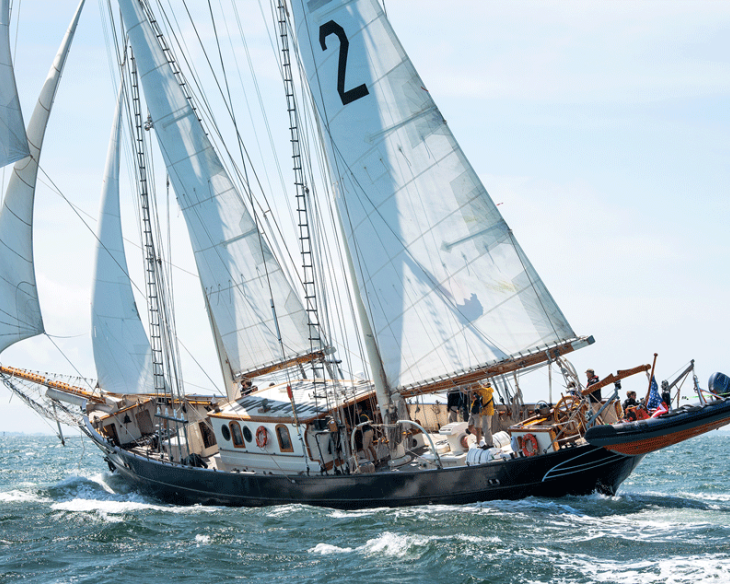
TABOR BOY is a 115-foot schooner homeported in Marion, Massachusetts, and operated by Tabor Academy. Built in 1914 in the Netherlands as a pilot schooner, she was later converted into a sail training ship. Since her arrival at Tabor Academy in 1954, she has served generations of students as a platform for leadership, teamwork, and seamanship. With a long tradition of educational voyages, Tabor Boy sails each year with high-school student crews, offering hands-on experience and fostering a deep appreciation for maritime heritage and life at sea.
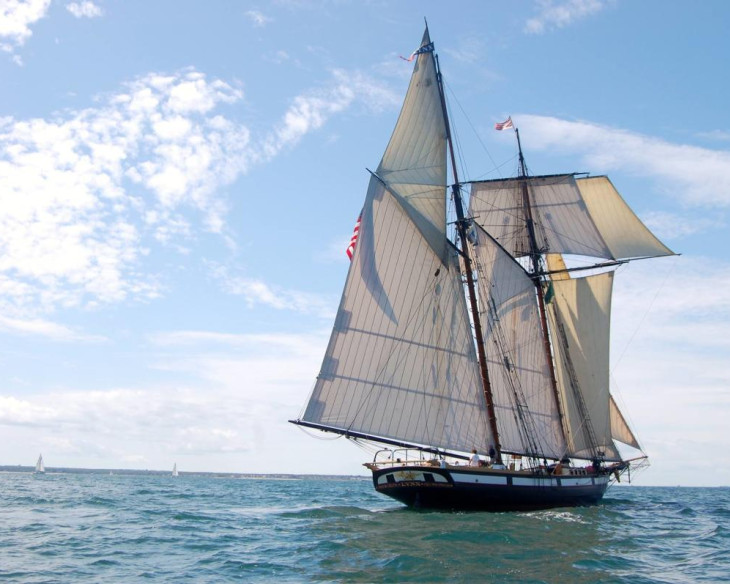
LYNX is a 122-foot, square topsail schooner homeported in Portsmouth, New Hampshire. Inspired by a War of 1812 privateer, she is a modern interpretation of a Baltimore Clipper and carries approximately 4,600 square feet of sail. Designed as a living history vessel, Lynx brings early American maritime heritage to life through educational programs, sail training, and public engagement. With period uniforms, traditional sailing techniques, and historical interpretation, she serves as both a sailing classroom and a tribute to America’s naval past
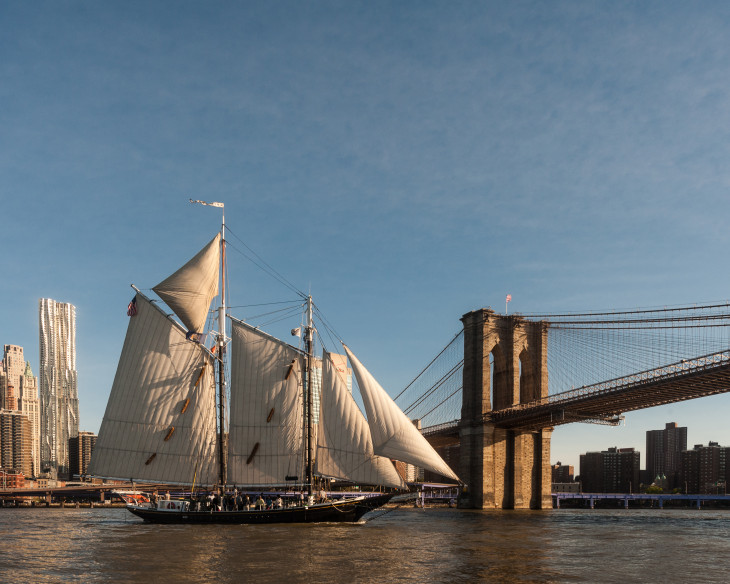
PIONEER is an approximately 102-foot, three-masted schooner with a wrought-iron hull and part of the South Street Seaport Museum’s fleet of historic ships. Built in Pennsylvania in 1885, Pioneer originally carried sand and other heavy cargo along the Delaware River. While most American cargo sloops and schooners of the era were constructed of wood, Pioneer was built with a wrought-iron hull because she was constructed in what was then the nation’s center of iron shipbuilding. Today, she is the only surviving American merchant sailing vessel with an iron hull. Offering the public a rare opportunity to sail New York Harbor aboard a historic ship, Pioneer provides a one-of-a-kind perspective on New York City and a deeper connection to the city’s maritime past and present—showing exactly “Where New York Begins.”
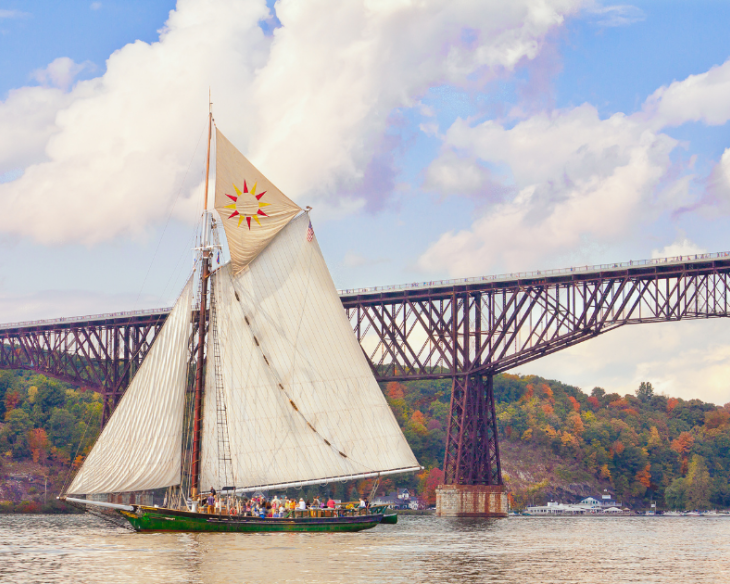
At 106 feet in length, the wooden-hulled sloop CLEARWATER is the only full-sized replica of the 18th and 19th century merchant ships known as Hudson River sloops. She serves as a platform for hands-on environmental education and as a symbol for grass-roots action. With a crew of five, she can carry 50 passengers for these cruises. This sloop is the dream project of the environmental activist and folk singer Pete Seeger. As far back as 1966, concerned about pollution in the Hudson River, Seeger advocated for her construction by playing concerts up and down the river, passing the banjo case to raise funds to build the ship. He wanted people to come to the river to experience the beauty of the river. He fought for the ecological restoration of the Hudson River. His song “Sailing Down My Golden River” reflects on the beauty of the river and Seeger’s work to protect it. She was launched in 1969 and is a frequent site on the Hudson River and in Long Island Sound.
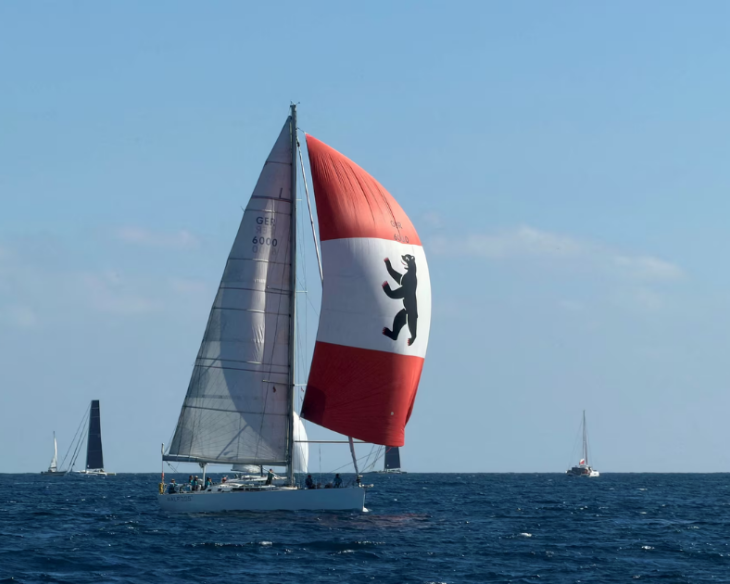
WALROSS 4 is a 55-foot German sailing yacht operated by the Academic Sailing Club of Berlin. While not a traditional "tall ship," it is rather a competitive sailing vessel often participating in transatlantic races. By sailing in this parade, WALROSS honors the special, long-standing relationship between Berlin and the United States. This sailing project is under the patronage of Kai Wegner, the Governing Mayor of Berlin. As an academic sailing club, WALROSS embraces international exchange, as evidenced by their numerous projects on the world's oceans. Their student crews have represented Berlin worldwide as sailing ambassadors on many voyages.
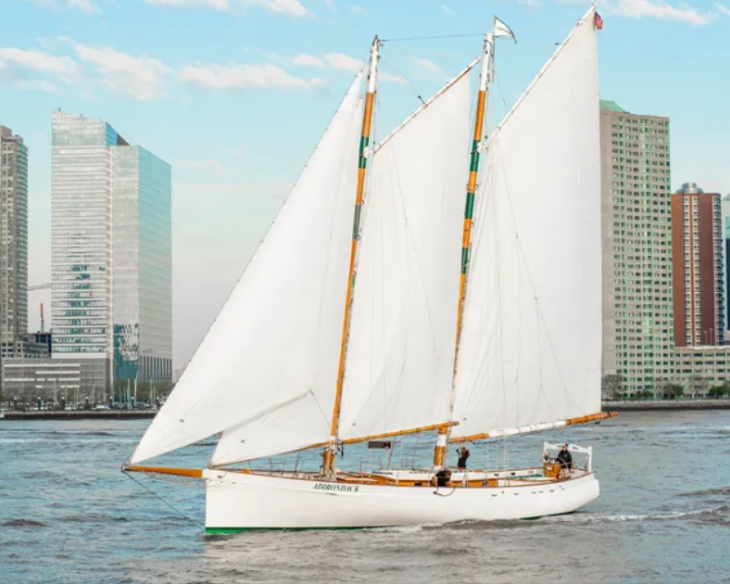
Adirondack, a 65-foot wood-hull schooner, with a sail area of 1850 square feet, operates out of Classic Harbor Line in New York from April through November. She represents the era of elegant turn-of-the-century schooner yachts embedded wth the latest technology.
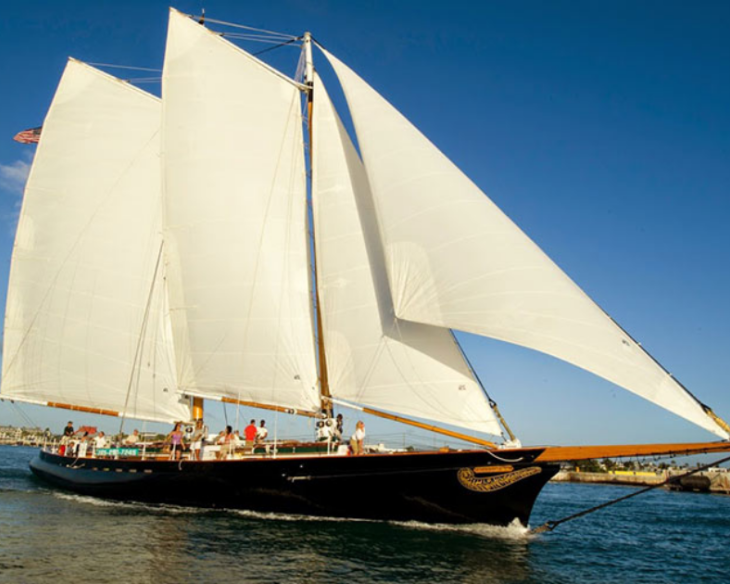
The Schooner AMERICA 2.0 is a 105-foot, eco-friendly wooden sailing yacht launched in 2011. As the flagship of Classic Harbor Line in New York, she acts as a tribute to the 1851 America’s Cup winner, offering public day, sunset, and private sails in NYC (May–Oct) and Key West (Nov–May). It features modern electric propulsion and carbon fiber rigging
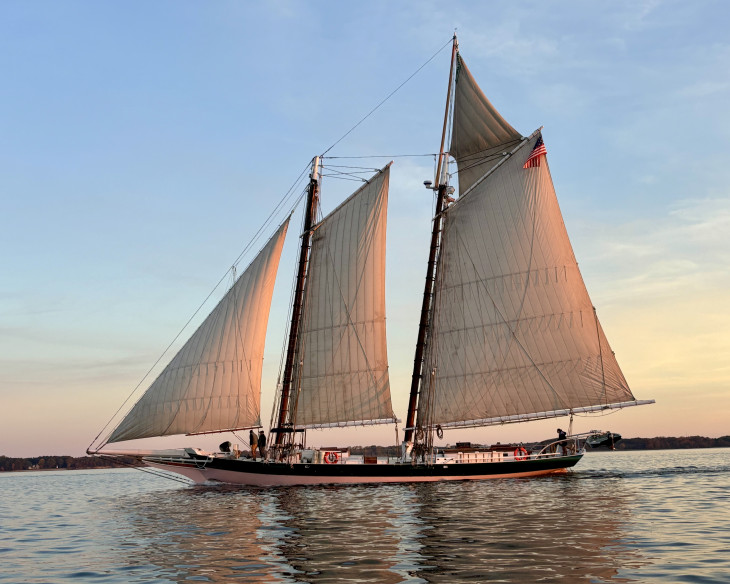
LADY MARYLAND is a 104-foot gaff-rigged, wood-hulled pungy topsail schooner. She is owned and operated by the Baltimore-based Living Classrooms Foundation and is used as an educational vessel. LADY MARYLAND is a pungy schooner, a vessel indigenous to the 19th century Chesapeake Bay. Between the 1830s and 1950s, pungies carried perishable cargo on the Bay. Pungies have a hull form similar to the famous Baltimore Clippers. This design makes them extremely fast and well suited for their original mission of carrying cargo. LADY MARYLAND was built in 1986 to provide students with a hands-on opportunity to sail an historic vessel and learn about the ecology, history and economics of the Bay and the waters off the north east coast of the United States.
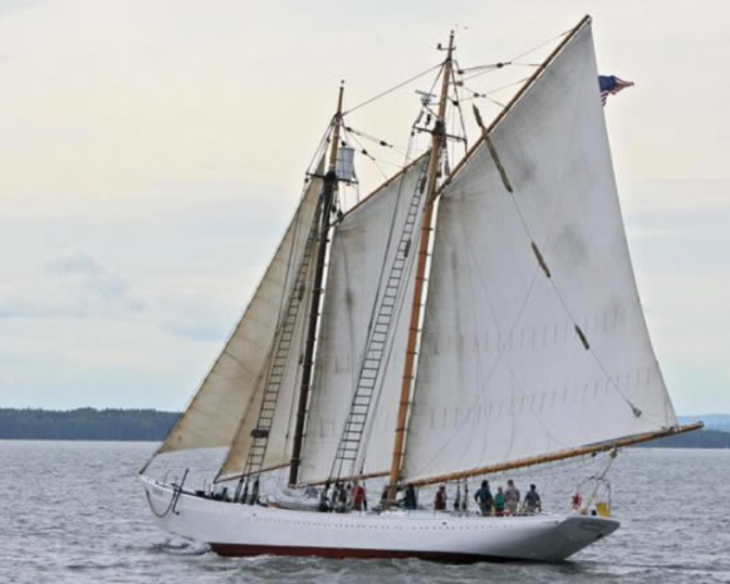
The schooner BOWDOIN is the Official Vessel of the State of Maine, and the flagship of Maine Maritime Academy’s Vessel Operations and Technology program. Every summer, the Bowdoin takes courses of Academy students up and down the eastern seaboard, and she spends the fall doing day sails and weekend trips from MMA’s waterfront in Castine. Built in 1921 for Arctic exploration, the Bowdoin has made three voyages above the Arctic Circle since she came to MMA in 1988 as well as trips to Newfoundland and Labrador and regular visits to Nova Scotia.
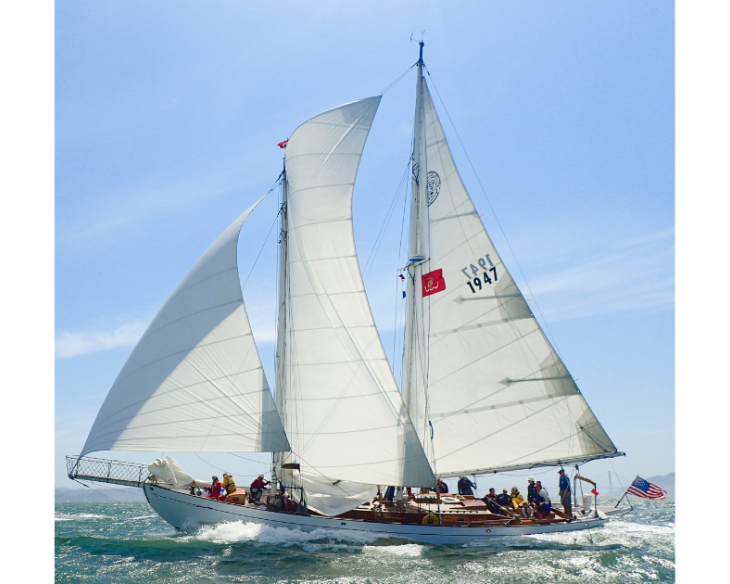
MAYAN is the legendary 65-foot wooden staysail schooner designed by John G. Alden in 1947, famously owned by the late musician David Crosby from 1969 to 2014. Imagine sailing along listening to David Crosby and his folk rock supergroup mates Stephen Stills, Graham Nash and Neil Young singing “Southern Cross,” their song about the healing power of sailing amongst the natural world. Built in Belize, this classic vessel is known for its extensive travels, including the Caribbean and Pacific, and its later years based in California, where it still competes in races.
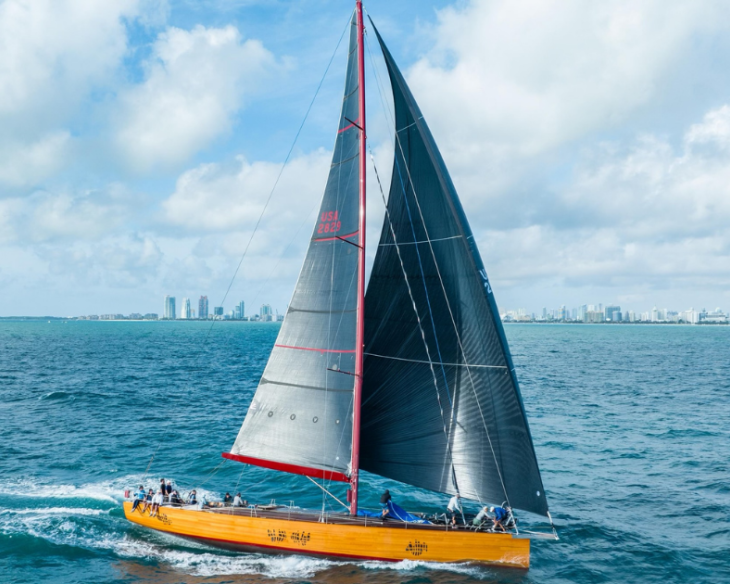
Possibly the most unique yacht ever built at Brooklin Boat Yard, FOGGY is a 74-foot German Frers-designed daysailer with styling by the world-renowned architect Frank Own Gehry. Foggy’s construction began in 2013. She was launched in summer 2015. Her unconventional components — including lattice-styled ports in both the hull and deck — required complex and perfecting construction methodology. Foggy’s hull is built with a foam core construction to maximize stiffness and minimize weight. The deck was constructed separately from the hull of Western Larch veneers and Okume plywood skins that sandwich the foam core. Combining cold-molded construction, carbon fiber technology, lots of titanium details and hundreds of individual pieces of glass inserts, Foggy is anything but boring. She is based in Newport, RI. Her name Foggy comes from a play on the acronym of the designer’s name Frank Owen Gehry.
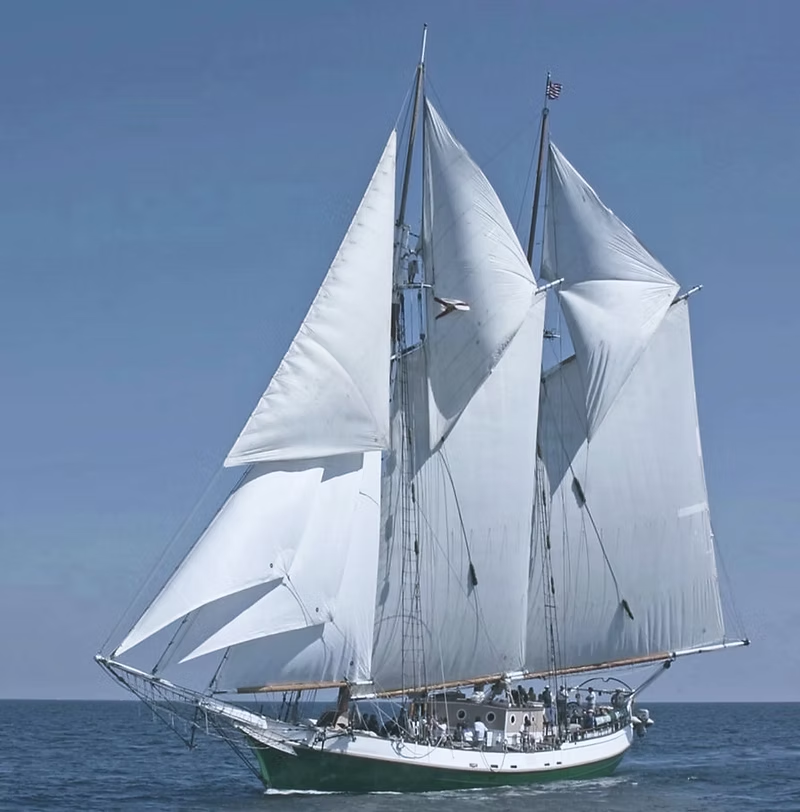
LIBERTY CLIPPER is a 125-foot, gaff-rigged schooner and a modern tribute to the Baltimore Clippers that once carried speed, enterprise and American maritime ingenuity along the Atlantic coast. Built in 1983 at Blount Shipyard in Rhode Island, she brings the lines of a traditional working schooner into the present day, carrying guests, students, and sailing enthusiasts under canvas. Her presence here gives this section of the parade a distinctively American echo: fast schooners, open harbors, and the long tradition of sail as both commerce and classroom.
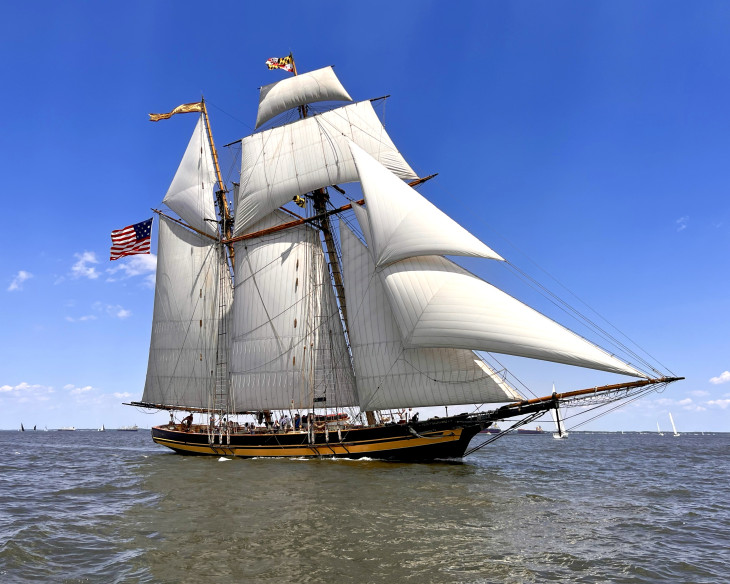
Pride of Baltimore II is a globally recognized sailing ambassador of Maryland. Built and launched on the shore of Baltimore's Inner Harbor in 1988, Pride II is a reproduction of the sharp-built Baltimore Clippers of the late 18th century and early 19th century. She is a working symbol of the fast, sleek vessels that gained fame as privateers during the American Revolution and War of 1812. With a crew of twelve, Pride II is a working vessel that keeps the Chesapeake Bay’s maritime traditions alive. Pride promotes historical maritime education, fosters economic development and tourism, and represents the people of Maryland in ports throughout the world. She was built to continue the mission of her predecessor, Pride of Baltimore, tragically lost in a storm in the Atlantic Ocean in May 1986. Pride II is regularly open to the public, offering deck tours, day sails, and overnight sailing opportunities at ports throughout the Chesapeake Bay and North America. Since her launch more than three decades ago, Pride of Baltimore II has sailed over 300,000 nautical miles to more than 200 ports in over 40 countries in Asia, Europe, and North, South, and Central America
Sign up for our newsletter to stay connected and get updates for all things Sail4th 250!